September 28, 2026
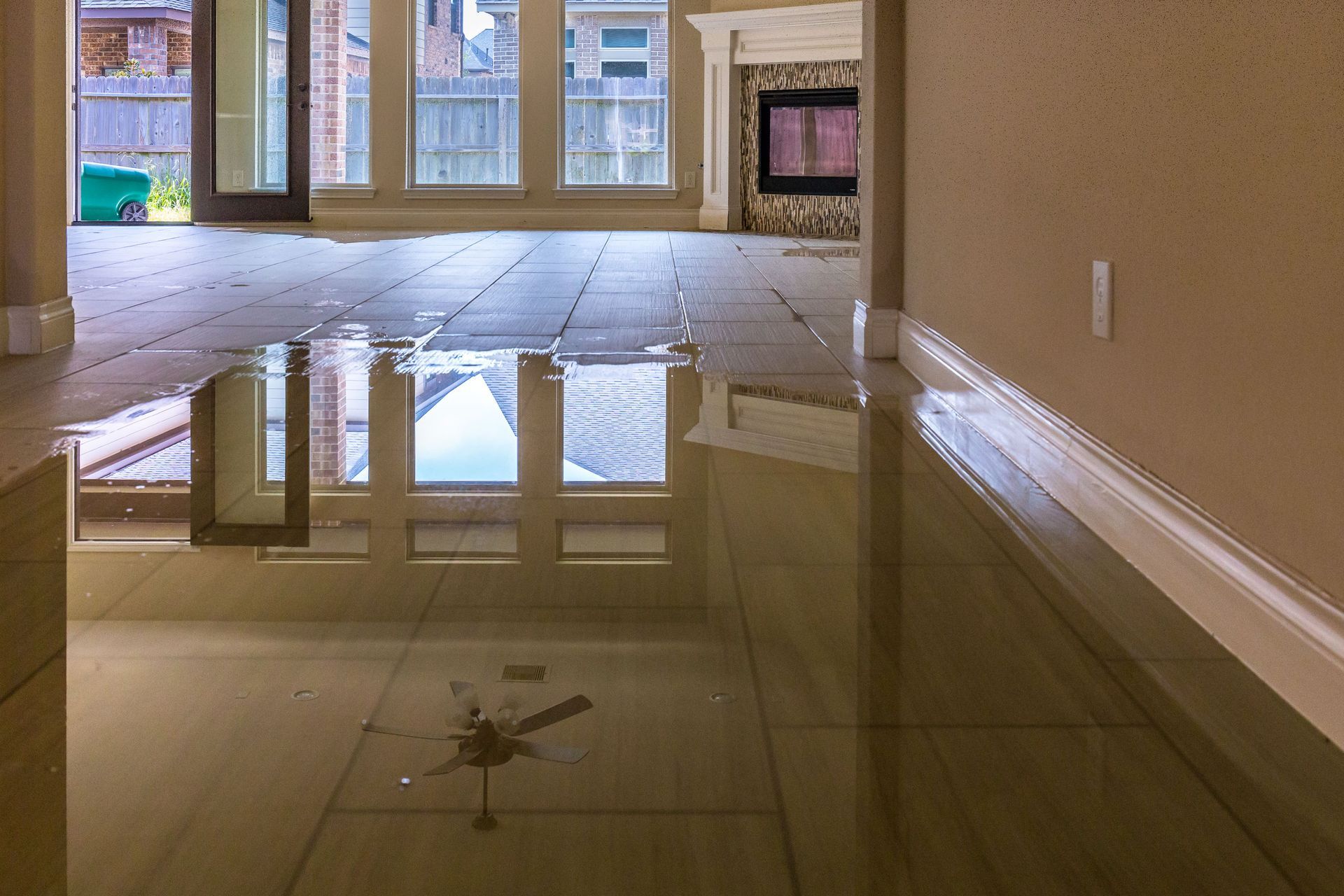
When unexpected moisture invades your living space, the resulting destruction can be devastating to both your property and your peace of mind. Many property owners assume that any moisture-related destruction is automatically covered under their standard policy. However, the reality is far more complex, and misunderstanding your coverage can lead to significant financial strain during an already stressful time. The insurance industry draws a very strict and specific line between different types of moisture events, categorizing them primarily by how the moisture entered the home. To truly protect your investment, you must understand these technical distinctions long before the storm clouds gather or the plumbing fails. Working with a dedicated local homeowners insurance agency can ensure you comprehend the nuances of your specific policy language. When you know exactly what is protected, you can make informed decisions about additional coverage and mitigate potential risks. This guide will walk you through the fundamental differences between standard moisture-related claims and flooding, empowering you to secure the right protection for your most valuable asset.
Understanding Standard Water Damage
In the realm of property protection, standard water damage is typically defined as moisture intrusion that originates from inside the home and occurs suddenly and accidentally. This means the source of the issue is usually related to the internal systems or appliances within the property itself. For example, if a supply line to your washing machine suddenly ruptures and floods your laundry room, this event is generally classified as standard water damage. The key elements here are the suddenness of the event and its internal origin. Policyholders must realize that gradual leaks, which happen over a long period due to a lack of maintenance, are almost always excluded from standard coverage. If a pipe has been slowly dripping under the kitchen sink for months, causing rot and mold, your provider will likely view this as a maintenance failure rather than an accidental, sudden event. A knowledgeable local homeowners insurance agency will often remind clients to perform regular inspections of their internal systems to prevent these deniable gradual claims. According to Wi-FiTalents, water damage and freezing account for 29% of all homeowners insurance claims. Because this type of destruction is so prevalent, maintaining your plumbing and heating systems is an essential responsibility for every property owner.
Identifying Common Internal Sources
Recognizing the common culprits behind internal moisture issues can help you remain vigilant and prevent disastrous claims. Appliances that use a continuous supply line, such as dishwashers, washing machines, refrigerators, and water heaters, are frequent sources of sudden accidental failures. Hoses can degrade, connections can loosen, and tanks can corrode, leading to sudden ruptures that release large volumes of liquid into your living spaces in mere minutes. Another major source of internal destruction is frozen pipes. During severe cold snaps, inadequately insulated pipes can freeze and burst, creating massive leaks once the ice thaws. Roof leaks caused by sudden storm impacts, such as a tree branch falling and puncturing the shingles, also generally fall under this category, provided the damage to the roof itself was sudden and accidental. Furthermore, overflowing bathtubs or toilets can cause significant harm to flooring and ceilings if left unchecked. Discussing these specific internal risks with your local homeowners insurance agency will help you understand exactly how your policy responds to appliance failures versus weather-related roof breaches. Proper maintenance remains your best defense against these sudden internal disasters.
Defining True Flood Damage
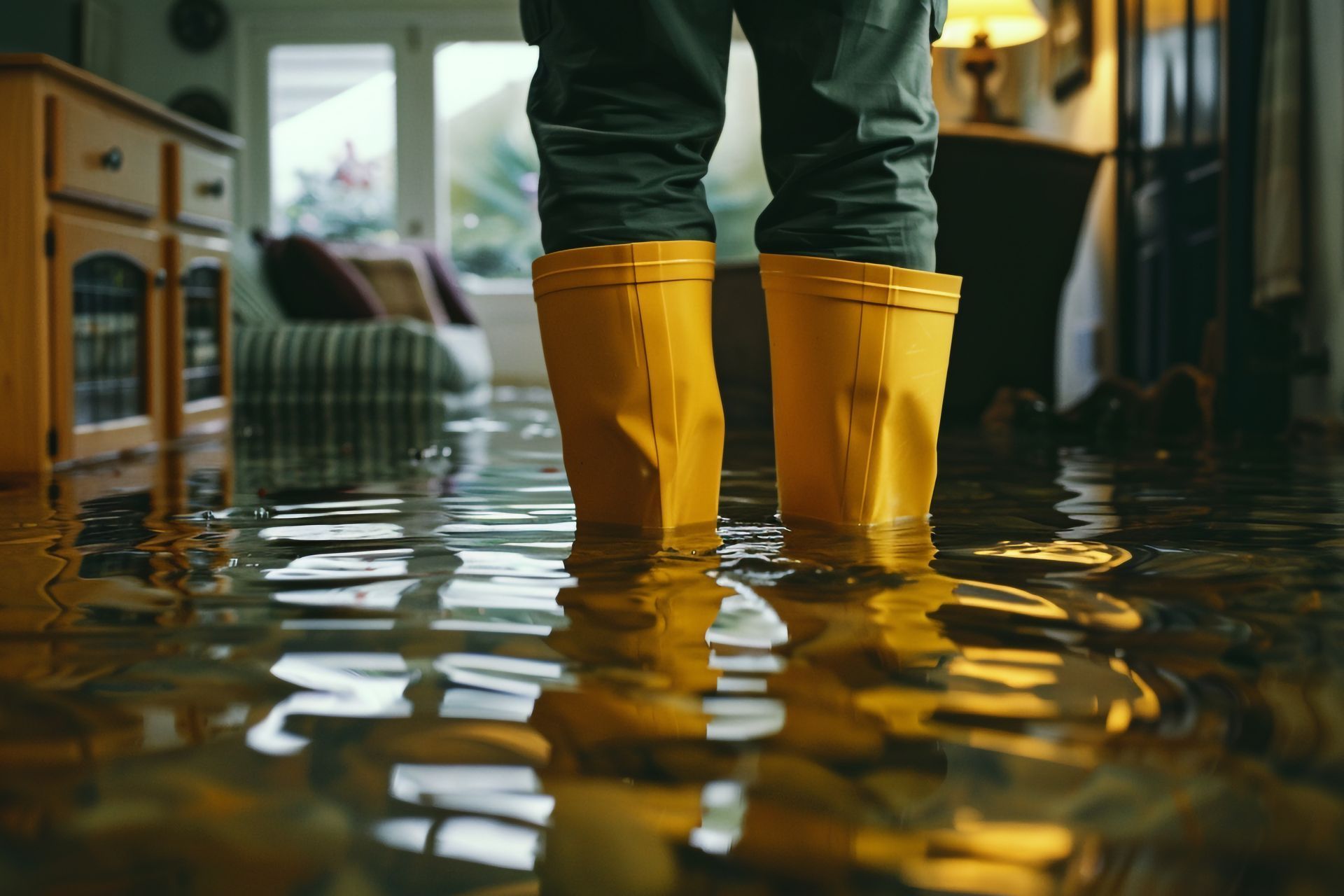
While standard moisture claims involve internal sources, true flood damage is strictly defined as an excess of moisture on land that is normally dry, affecting multiple acres of land or multiple properties. Crucially, the moisture must originate from an external source and rise from the ground up into the home. Standard policies explicitly exclude this type of destruction. This means that if a nearby river overflows its banks and the rising current enters your living room, your standard policy will provide zero protection for the resulting destruction. The exact definition used by the federal government and private providers is rigid and unforgiving. Even if heavy rainfall pools in your yard and eventually seeps through your foundation walls into your basement, this is typically classified as surface water intrusion, which remains entirely excluded from standard policies. Many property owners are shocked to discover this exclusion only after they have lost their possessions to rising currents. Consulting a local homeowners insurance agency is the most effective way to evaluate your property's specific risk for rising surface liquids and determine if you need specialized coverage.
Recognizing Common External Sources
The sources of true flooding are entirely external and often related to severe weather patterns or geographical vulnerabilities. Heavy and prolonged rainfall is a primary driver, quickly overwhelming local drainage systems and causing surface liquids to pool and enter nearby structures. Properties located near lakes, rivers, or coastal areas are at an inherently higher risk for overflowing bodies of water, storm surges, and tidal events. However, you do not need to live near a coastline or riverbank to experience rising surface moisture. Rapid snowmelt in the spring can also saturate the ground faster than it can absorb the moisture, leading to significant runoff that threatens nearby foundations. Additionally, urban development can alter natural drainage patterns, creating new vulnerabilities in neighborhoods that have never historically experienced pooling surface moisture. Because these external events are unpredictable and can devastate entire communities simultaneously, standard providers cannot absorb the risk within a standard policy framework. A dedicated local homeowners insurance agency can pull specific zone maps for your area to accurately assess your geographical vulnerability and explain how local topography might impact your property during severe weather.
Reviewing Your Coverage Options
Because standard policies explicitly exclude rising surface moisture, property owners must actively seek out separate protection to close this critical gap in their financial safety net. The most common avenue for securing this protection is through specialized policies subsidized by federal programs, though private market options are also becoming increasingly available. These specialized policies are designed specifically to cover the structural elements and personal belongings destroyed by rising external moisture. It is crucial to understand that these separate policies often have a strict waiting period before they take effect, meaning you cannot wait until a storm is forecast to purchase protection. The coverage limits and deductibles on these specialized policies also function differently than standard property protection. Furthermore, standard policies might offer endorsements for specific issues like sewer and drain backups, which represent a grey area between internal failures and external flooding. Because navigating these multiple policies, endorsements, and exclusions is complex, partnering with an experienced local homeowners insurance agency is essential. They can review your current standard limits, identify dangerous gaps in your protection, and present viable options for specialized external moisture coverage.
Protecting your home requires more than just paying a premium; it demands a clear understanding of the exact perils your policy covers. The strict division between sudden internal plumbing failures and rising external surface moisture is a critical concept for any property owner to grasp. Failing to recognize this difference can leave you completely exposed to devastating financial losses following a major weather event. By taking the time to review your policy language and explicitly confirming your coverages, you can ensure your financial safety net is secure. If you are unsure whether your current policy provides adequate protection for both internal moisture accidents and external rising surface threats, you need professional guidance. A dedicated local homeowners insurance agency will help you decode complex policy language, assess your unique geographical risks, and build a comprehensive protection plan tailored to your specific needs. Do not wait until disaster strikes to discover dangerous gaps in your coverage. Call A & A Insurance today to learn more about safeguarding your property from all forms of moisture-related destruction.